Email remains one of the most common communication tools worldwide. Unfortunately, it is also widely used by scammers to carry out financial fraud and identity theft schemes.
Many victims lose money simply by trusting emails that appear legitimate at first glance.
How Email Scams Usually Work
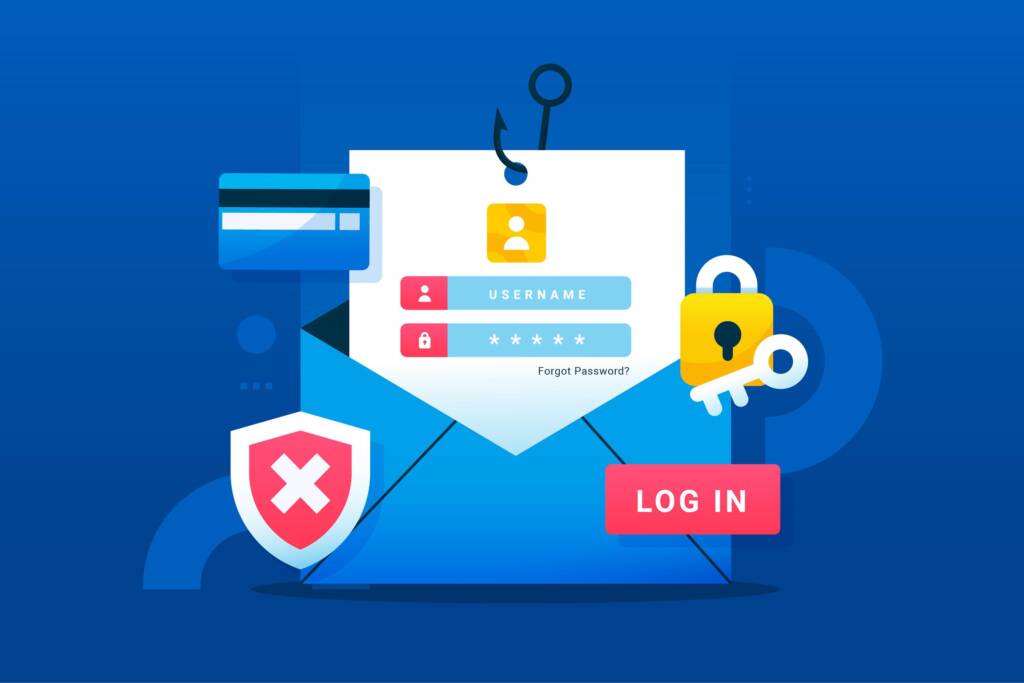
Fraudulent emails often pretend to come from banks, delivery companies, trading platforms or government services. These messages may contain urgent warnings, payment requests or links to fake websites.
Victims are encouraged to click links, download attachments or provide account information. Once scammers obtain login credentials or financial data, they can access accounts and transfer funds.
Common Types of Email Fraud
Several email scam techniques are frequently reported.
Account security alerts
Victims receive messages claiming suspicious activity and are asked to verify accounts.
Invoice or payment fraud
Emails request payment for services or deliveries that never existed.
Investment offers
Scammers promote fake trading or crypto opportunities promising high profits.
Malicious attachments
Files may install harmful software that steals personal information.
Warning Signs of Fraudulent Emails
Many scam emails share common characteristics:
- Urgent language demanding immediate action
- Misspelled company names or unusual sender addresses
- Unexpected attachments or links
- Requests for passwords or payment details
Carefully checking message details can prevent many scams.
What to Do After Clicking a Suspicious Email
If you interact with a fraudulent message, take action quickly. Change passwords for affected accounts and enable additional security protection. Monitor financial accounts for unusual transactions.
Saving suspicious emails and transaction details may help during investigation or recovery related procedures.
How to Protect Yourself From Email Scams
Users can reduce risks by following simple precautions:
- Avoid clicking unknown links
- Verify company requests independently
- Use spam filters and security software
- Keep devices and applications updated
Online caution significantly lowers exposure to fraud attempts.
Conclusion
Email scams continue to evolve, targeting individuals and businesses worldwide. Awareness of common tactics and careful review of unexpected messages remain essential for protecting financial and personal information.
Staying cautious when handling emails helps prevent financial losses caused by online fraud.